Climate-Appropriate Plant Selection
One of the most expensive errors property owners make is selecting plants without considering Hawaii’s distinct tropical environment. Kapolei experiences intense sun exposure, high humidity, and occasional heavy rainfall that can overwhelm unprepared landscapes.
Choosing mainland plants or those unsuited to volcanic soil often results in withered foliage, pest infestations, and constant replacement costs. Many homeowners underestimate how quickly the afternoon sun can scorch non-native species or how seasonal rains can create waterlogged conditions.
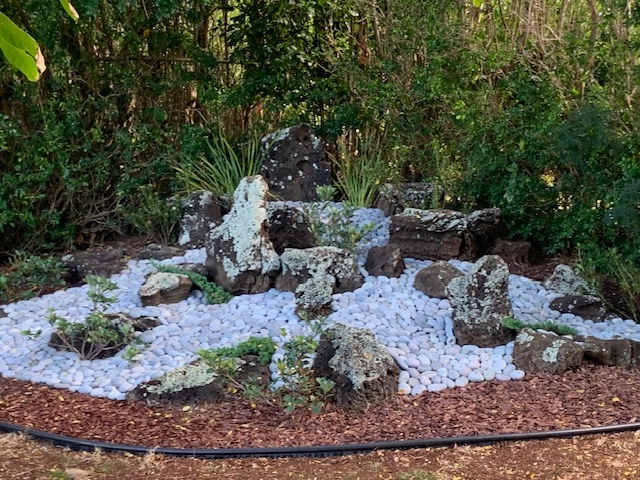
The solution requires selecting drought-tolerant, salt-resistant varieties that thrive in Hawaii’s microclimate. Native plants like naupaka, kou, and various ti varieties have evolved to handle these conditions naturally. Incorporating these species reduces water consumption, minimizes maintenance requirements, and creates a landscape that complements the surrounding environment rather than fighting against it.
Water Management Systems
Inadequate drainage systems cause thousands of dollars in damage annually. When water pools near foundations, it compromises structural integrity, encourages mosquito breeding, and kills valuable plants. Kapolei’s soil composition varies significantly across properties, with some areas featuring dense clay that prevents natural water absorption.
Many property owners notice standing water after storms but delay addressing the root cause. This procrastination leads to eroded pathways, damaged retaining walls, and saturated root systems that suffocate plants. The damage compounds over time as water repeatedly follows the same problematic paths.
Correcting drainage issues requires professional grading and resloping services that redirect water away from vulnerable areas. Installing French drains, creating swales, or building appropriate retention systems ensures water moves efficiently through your property. Proper drainage protects your investment while creating healthier growing conditions for your landscape.
Foundation for Healthy Growth
Planting directly into unprepared soil guarantees disappointing results. Kapolei’s volcanic soil varies dramatically in quality, with some areas containing nutrient-poor substrates that cannot support healthy plant growth. Without proper amendment, even hardy species struggle to establish robust root systems.
The temptation to skip soil testing and preparation saves time initially but creates ongoing problems. Plants exhibit stunted growth, yellowing leaves, and increased vulnerability to disease. Fertilizers become less effective because the underlying soil structure cannot retain or distribute nutrients properly.
Successful installations begin with soil analysis to determine pH levels, nutrient content, and composition. Adding organic matter improves water retention and nutrient availability. For areas with particularly challenging soil, creating raised beds or importing quality topsoil provides plants with the foundation they need to flourish throughout their lifespan.
Strategic Spacing Principles
Planting too densely creates immediate visual appeal but guarantees future complications. Small specimens grow rapidly in Hawaii’s favorable climate, and within months they begin competing for sunlight, water, and nutrients. This competition weakens all plants involved and creates maintenance nightmares.
Overcrowded landscapes require constant pruning, increased watering, and more frequent treatments for fungal issues that thrive in poor air circulation. Property owners often find themselves removing plants they just installed, wasting both money and effort. Dense plantings also block pathways and obscure architectural features as they mature.
Professional landscape design accounts for mature plant sizes and spacing requirements from the beginning. Understanding growth rates and final dimensions allows for strategic placement that looks intentional as plants develop. Proper spacing improves plant health, reduces maintenance costs, and creates a landscape that improves with age rather than requiring constant intervention.
Sustainable Care Planning
Ambitious landscape designs often fail because property owners underestimate the ongoing care required. Hawaii’s growing season runs year-round, meaning plants continuously grow, requiring regular attention. What appears manageable initially becomes overwhelming as multiple species demand different care schedules.
Deferred maintenance creates cascading problems. Unpruned shrubs block views and encroach on structures. Neglected irrigation systems waste water and fail to deliver moisture where needed. Weeds establish themselves and compete with desirable plants for resources. The landscape deteriorates from an asset into a liability.
Honest assessment of available time and resources should guide plant selection and design complexity. Choosing low-maintenance native species, installing efficient irrigation systems, and establishing realistic care schedules prevents deterioration. For properties requiring consistent attention, professional landscape management services ensure your investment remains beautiful and functional without overwhelming your schedule. Whether you need regular maintenance or occasional seasonal care, establishing a sustainable approach protects your property value and enjoyment.